
Smoke Alarms in NSW Rentals: What Landlords Need to Know
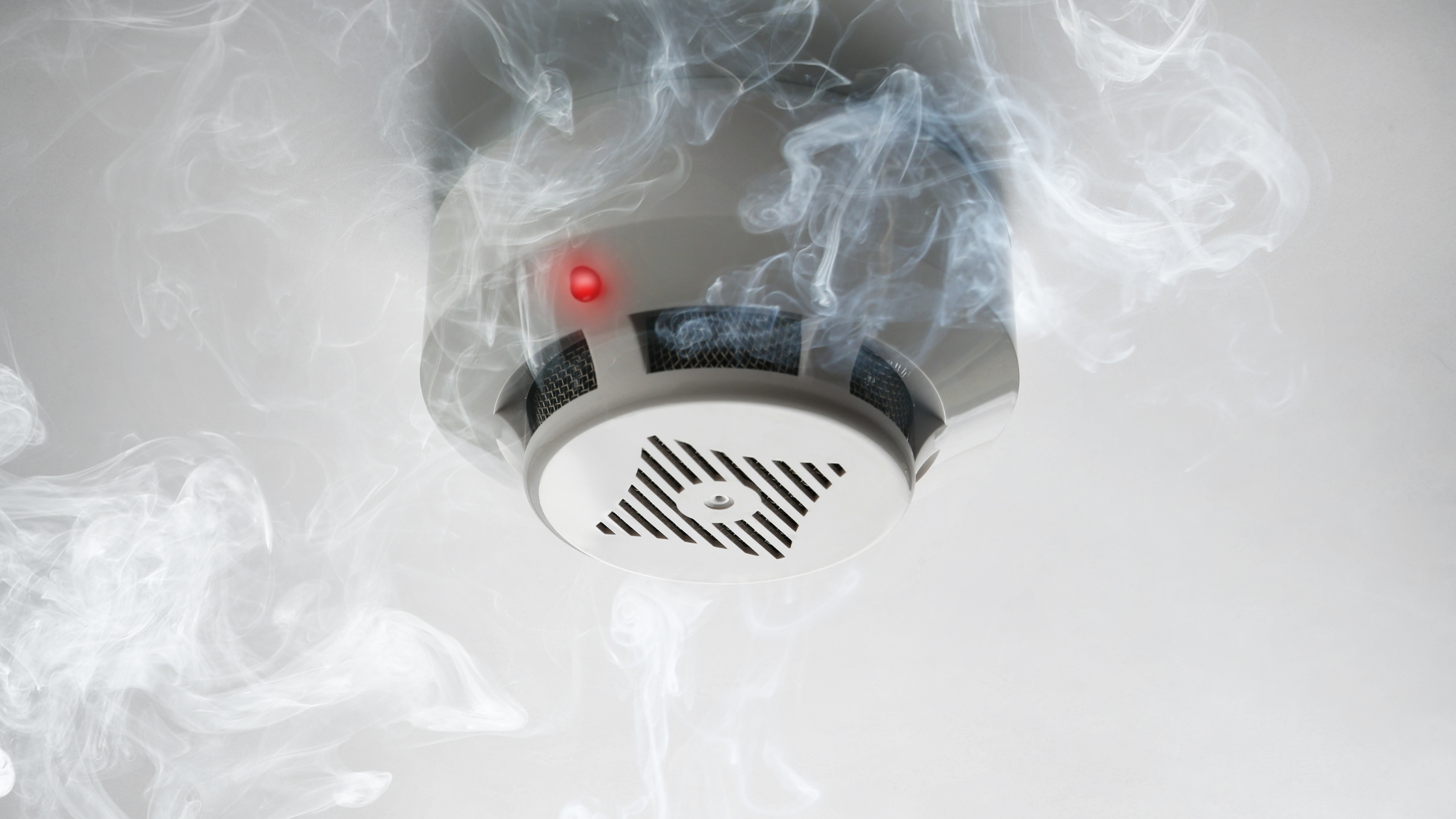
Smoke alarms are one of those things everyone agrees are important, but not everyone realises how strict the rules actually are. In NSW rentals, smoke alarms are not a nice extra or a set and forget job. They sit firmly in the must get right category.
Over the years, we’ve seen smoke alarm issues come up at the worst possible moments. End of lease disputes. Insurance claims. Tribunal hearings. And almost every time, the landlord assumed someone else was handling it.
That’s why Smoke Alarm Compliance matters more than many investors realise.
Who is actually responsible
In NSW, landlords cannot pass smoke alarm responsibility to tenants. Even if it’s written into a lease, it doesn’t hold up.
NSW Fair Trading puts it plainly. “Landlords must ensure that smoke alarms including heat alarms are working. Landlords cannot delegate responsibility of working smoke alarms to tenants in a rental tenancy agreement.”
That means if an alarm is missing, flat, dusty, malfunctioning, or simply too old, it’s on the landlord to fix it.
Tenants do have responsibilities too. They must notify the landlord or agent if a smoke alarm isn’t working. In some cases they can replace a removable battery, but the overall responsibility still sits with the owner.
Where alarms must be installed
Placement matters. A working alarm in the wrong spot does not count.
At least one smoke alarm must be installed on each storey of the property, in a hallway outside bedrooms or another suitable location. They cannot be removed or disabled. Heat alarms are also required in some areas depending on the layout.
This is one of the most common things missed in older homes or renovated properties.
Timeframes that catch landlords out
NSW legislation is very clear on timing.
If a smoke alarm is not working, the landlord must repair or replace it within two business days of becoming aware. That includes battery replacement.
Annual checks are also mandatory. Landlords must check alarms every year, replace removable batteries annually, and replace the entire alarm unit within ten years of manufacture or earlier if the manufacturer specifies it.
If the alarm is hard wired, a licensed electrician must do the work.
This is where professional systems make a big difference.
Why we use Detector Inspector
At eUmeco, we use Detector Inspector to manage smoke alarm compliance. Not because it’s flashy, but because it’s thorough and reliable.
They handle annual inspections, battery replacements, compliance reporting, and tracking alarm age. It removes the risk of human error and ensures Smoke Alarm Compliance is documented properly, year after year.
For landlords, that means fewer gaps, fewer last-minute scrambles, and better protection if something ever goes wrong.
Strata properties and shared responsibility
Strata properties add another layer of complexity. In some schemes, the owners corporation is responsible for smoke alarms. In others, the landlord is.
To rely on a strata exemption, all conditions must be met. The landlord must notify the tenant in writing, notify the owners corporation within 24 hours of becoming aware of an issue, and take reasonable steps to ensure repairs are completed.
If those steps aren’t followed properly, responsibility can fall straight back to the landlord.
Why this matters beyond compliance
Smoke alarms are about safety first. But from an investment perspective, they also matter for insurance and liability.
If there is a fire and alarms aren't compliant, insurers may ask hard questions. Public liability risks increase. And suddenly a small compliance oversight becomes a very big problem.
That’s why we don’t treat smoke alarms as just an admin task. They’re part of protecting people and protecting the investment.
If you’d like help reviewing your current setup or want to make sure your property is compliant and properly managed, you can contact us to discuss your investment property. We’re always happy to walk through what’s required and make sure nothing is being missed